Apple Orchards of Alto Adige
South Tyrol produces roughly half of all apples grown in Italy. This reference documents the valley's cultivation landscape — from centuries-old variety lineages and altitude-driven microclimates to harvest scheduling and farm-based accommodation.
The Adige Valley Growing Zone
The Adige River corridor, running from the Resia Pass south through Bolzano toward Trento, forms one of the most concentrated apple-growing regions in Europe. Orchards extend across valley floors and slope terraces at elevations between 200 and 900 metres above sea level, benefiting from a combination of warm days, cool nights, and reliable alpine sunshine averaging over 300 days per year.
The region's Protected Designation of Origin — Alto Adige/Südtirol DOC for apples, commonly referred to as the IGP Alto Adige label — requires documented traceability from orchard block to packinghouse. Roughly 7,200 apple-growing families cultivate approximately 18,000 hectares under this framework.
Growing Conditions
Half of Italy's Apple Output from One Valley
The Vinschgau and Burggrafenamt districts alone account for nearly 900,000 tonnes of apples in an average harvest year. The density of cultivation — and the interlocking network of irrigation channels, known locally as Waale — reflects centuries of systematic land use that has shaped the valley's terrain as much as its economy.
Heritage VarietiesArticles
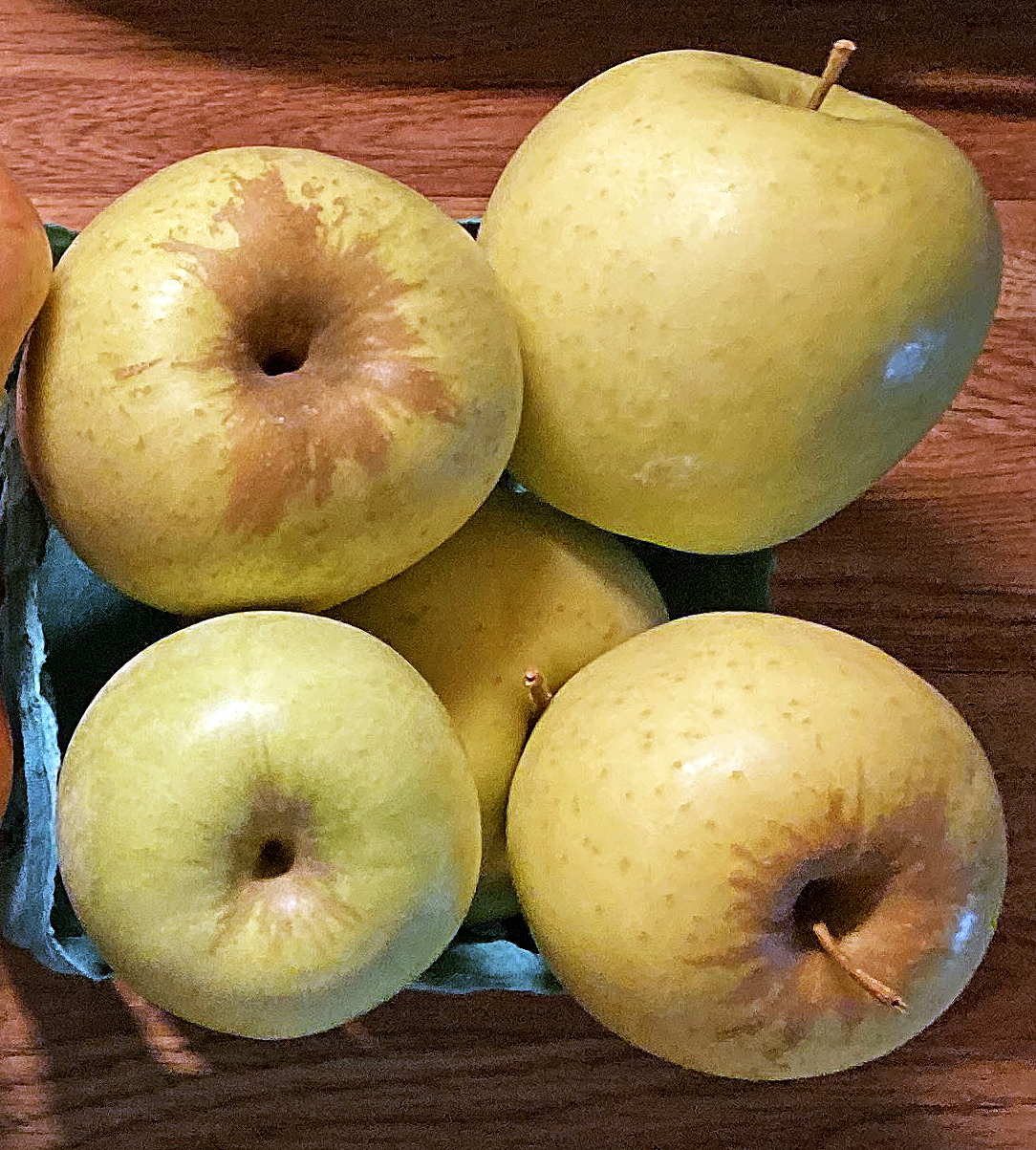
From Golden Delicious and Braeburn to local selections like Weißer Klarapfel — how the region's variety portfolio evolved over the twentieth century and which cultivars remain in production today.

Why the altitude gradient between valley floor and upper terraces produces measurable differences in sugar accumulation, skin colour, and shelf life — and how growers manage this variation at the block level.

Farm accommodation in orchard country — what the Roter Hahn network covers, when harvest visits are structured, and which districts offer working farm stays with direct access to picking and pressing.
Key Facts About Alto Adige Apple Cultivation

Quality Certification and the IGP Framework
The Mela Alto Adige IGP designation, registered with the European Commission, defines geographic boundaries, authorised varieties, minimum Brix levels, and packinghouse traceability requirements. Each apple carries a sticker referencing the grower registration number, enabling end-to-end tracing from retail shelf back to the originating orchard block.
The certification body VOG (Verband der Südtiroler Obstgenossenschaften) and VIP (Verband der Vinschgauer Produzenten) together represent the majority of output. Both operate centralised controlled-atmosphere cold stores capable of holding fruit for up to twelve months post-harvest without significant texture loss.
Official IGP ResourceIrrigation Channels and the Waal System
Before mechanised irrigation, the valley's orchards and meadows were watered through a network of hand-cut channels — Waale — routed from glacial streams across hillside terrain. Some channels date to the medieval period. Several Waal paths in the Vinschgau are preserved as hiking routes, passing directly through working orchard blocks. The Marlinger Waalweg, connecting Marling and Algund above Merano, remains one of the most documented examples of this irrigation heritage.
Read About Growing ConditionsContact
For editorial corrections, source references, or general correspondence regarding the content of this archive, use the form or contact details below.
Consorzio Valle dell'Adige
Via Claudia Augusta 12
39100 Bolzano (BZ), Italy
VAT: IT02345678901
Email: info@applelane.eu
Phone: +39 0471 123456