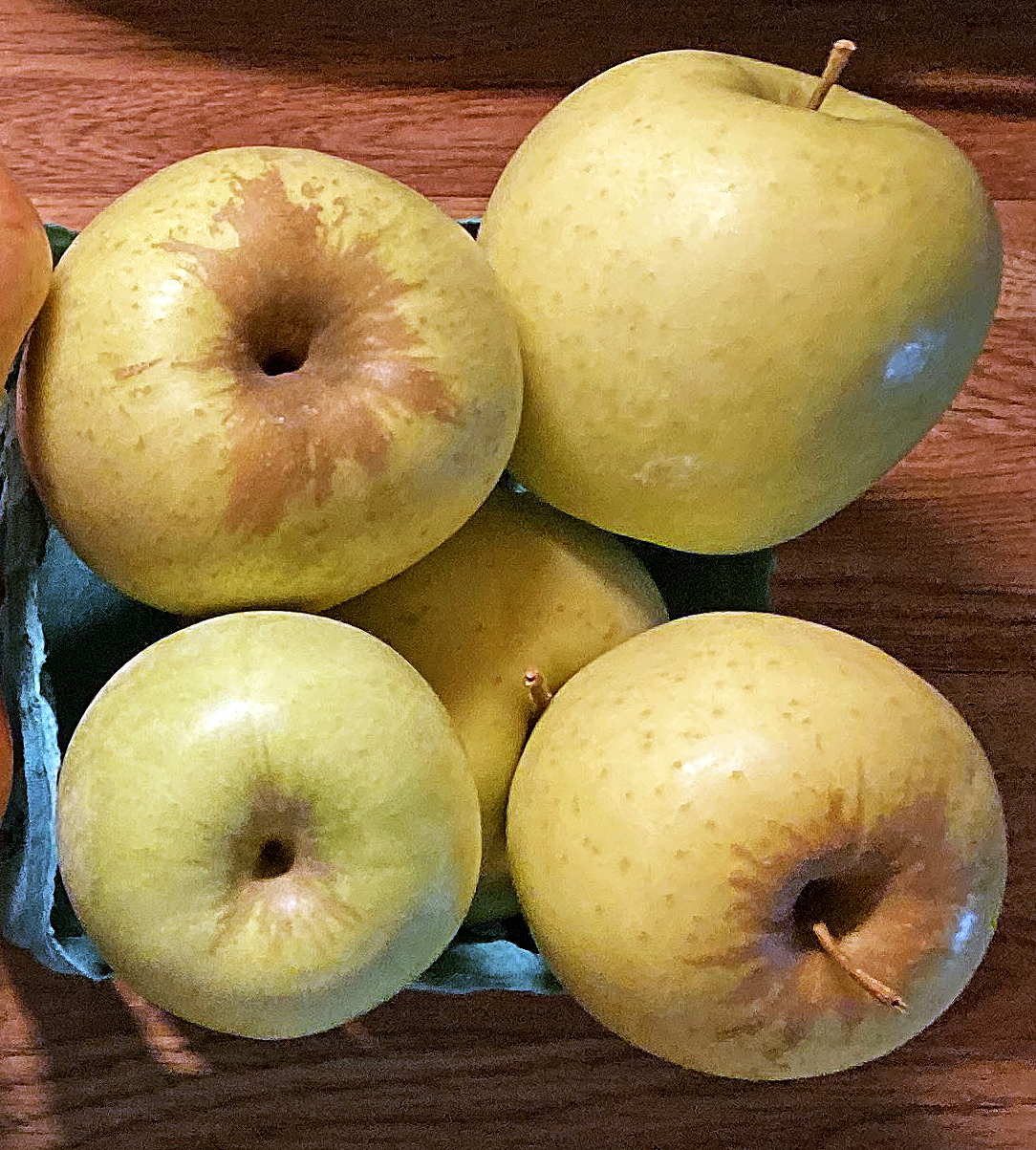
Apple quality in South Tyrol is not uniform across the valley. A Gala apple harvested at 250 metres near Lana and one picked at 700 metres above Naturns may share the same variety designation and the same IGP label, but their sugar content, skin colouration, and texture at point of sale differ in ways that are consistent, documentable, and commercially significant. Understanding the altitude-driven factors behind these differences is central to how both individual growers and the cooperatives manage their production portfolios.
Temperature and the Diurnal Variation Effect
The Adige Valley's alpine geometry creates a pronounced diurnal temperature range throughout the growing season. Valley floor stations record daytime highs during August and September that regularly exceed 30°C, while night temperatures in the same period drop to between 12°C and 16°C. At elevations above 600 metres, the swing is more extreme — daytime maxima are lower and night temperatures can fall below 10°C in September.
This diurnal variation drives the process of sugar accumulation in a directly measurable way. During warm days, photosynthesis runs at full rate, producing sugars in the fruit. During cool nights, the plant's metabolic activity slows, and less sugar is consumed as respiratory substrate — the net effect is that more sugar accumulates in the fruit flesh over the season. Refractometer readings from high-altitude blocks of Golden Delicious in the Vinschgau consistently show Brix levels 1.5 to 2.5 degrees higher than comparable valley-floor blocks of the same variety at the same maturity stage, according to data published by the Laimburg Research Centre.
Solar Radiation at Altitude
The Alto Adige region records annual sunshine hours significantly above the Italian average — figures cited by the South Tyrol meteorological office (Hydrographic Office of Bolzano) typically place the Vinschgau around 300 to 320 sunshine days per year, with some high-valley stations recording slightly higher totals due to reduced cloud formation at elevation.
Solar radiation intensity increases with altitude due to the reduced atmospheric column above the orchard. UV radiation, which stimulates anthocyanin synthesis in apple skin, is higher at 800 metres than at 300 metres. This is the primary reason why bicolour varieties like Gala, Fuji, and Braeburn achieve more uniform and intense red colouration at upper-elevation blocks — not simply cooler temperatures, but the combination of cool temperatures and higher UV exposure during the ripening window.
Growers in the Merano basin have documented this effect through harvest sampling across altitudinal transects. Blocks on the sunny south-facing slopes above Lana at 500 to 600 metres typically achieve retail-grade red colouration on Gala ten to fourteen days earlier than valley floor blocks, even when both are planted with the same clonal selection.
The Role of Slope Aspect
In the Adige Valley, altitude alone does not predict microclimate. Aspect — the compass direction a slope faces — interacts with altitude to create temperature and radiation profiles that may differ significantly from the average for a given elevation band. South-facing slopes in the Etschtal collect substantially more solar radiation per unit area than north-facing slopes at the same altitude, and the growing season on warm south-facing sites can be nearly as long as on the valley floor despite an elevation difference of 200 to 300 metres.
The Vinschgau presents a specific case. This lateral valley runs roughly east-west and enters the main Adige corridor near Merano. The northern slope of the Vinschgau, facing south, carries some of the most intensively planted orchard land in the region — the combination of south aspect, moderate altitude (typically 600 to 800 metres), and the valley's particularly dry continental climate (annual precipitation below 500 mm at some stations) creates conditions that many growers regard as optimal for Fuji and Pinova specifically.
Frost Risk and Bloom Timing Management
Altitude management in the Adige Valley is not solely about quality optimisation. Frost during bloom — typically late March to late April depending on year and variety — represents the most significant single-event risk to the annual crop. Valley floor sites are paradoxically more exposed to late radiation frost during this period than some mid-slope positions, because cold air drains downward overnight and pools on flat ground near the river.
Growers at valley floor elevation between Bolzano and Merano have used wind machines — large propeller units mounted on poles at the orchard margins — for several decades to disrupt cold air pooling during frost-risk nights. The machines draw warmer air down from above the inversion layer, typically maintaining orchard temperatures 1.5°C to 2°C above ambient at the coldest point of the night. Above 500 metres, where cold air drainage is less pronounced and the inversion layer position varies, frost risk is assessed differently.
Bloom timing at altitude is also later, which extends the overall risk window but reduces the probability of encountering the most damaging late-frost events. A Gala block at 700 metres near Naturns will typically reach full bloom ten to fifteen days later than a valley floor block near Lana — a timing advantage when late-April frost events, which are more common, represent the primary risk.
Water Management and the Waal Irrigation Legacy
The Adige Valley's low summer rainfall — particularly in the Vinschgau, which sits in the rain shadow of the main Alpine chain — means that irrigation is not supplementary but foundational to orchard management. The historical solution, refined over centuries, was the Waal system: surface channels cut along contour lines on hillsides, routing meltwater from glacial streams across the slope at a gradual gradient to distribute water across orchard terraces below.
Several hundred kilometres of Waal channels still exist in the valley, though most active irrigation is now handled through pressurised drip or micro-sprinkler systems fed from controlled reservoirs. The shift to pressurised systems has allowed more precise water scheduling — important both for water efficiency in a valley where allocation rights are tightly managed and for orchard management, since over-irrigation in the final pre-harvest weeks reduces fruit dry matter and flavour concentration.
Altitude and Post-Harvest Quality
The effects of altitude on fruit quality extend beyond the flavour and colour differences measurable at harvest. Fruit from higher-elevation blocks in South Tyrol consistently shows higher dry matter content and firmer flesh texture (measured by penetrometer) than equivalent varieties from valley floor sites. These characteristics are directly relevant to post-harvest performance: higher dry matter and firmer flesh translate to longer storage potential in controlled-atmosphere cold stores and better retention of texture through the distribution chain.
The Laimburg Research Centre near Auer has published comparative storage trials demonstrating that Gala from high-altitude South Tyrolean blocks maintains commercially acceptable firmness (above 6 kg/cm² on a standard penetrometer) for two to three months longer in controlled atmosphere storage than Gala from comparable Italian growing regions at lower elevation. This extended storage window is a commercial advantage for the cooperative export system, which ships to markets across Europe from September through to the following spring.
Sources: Laimburg Research Centre; Hydrographic Office of Bolzano meteorological data; VOG technical documentation. Last updated: May 2026.